WHAT IS A GENERATOR CONTROL PANEL: THE ULTIMATE GUIDE
A generator control panel is an electrical panel built and certified in accordance with international electrical installation regulations. It is housed in a box or structure of various forms and features various electrical and electronic parts.
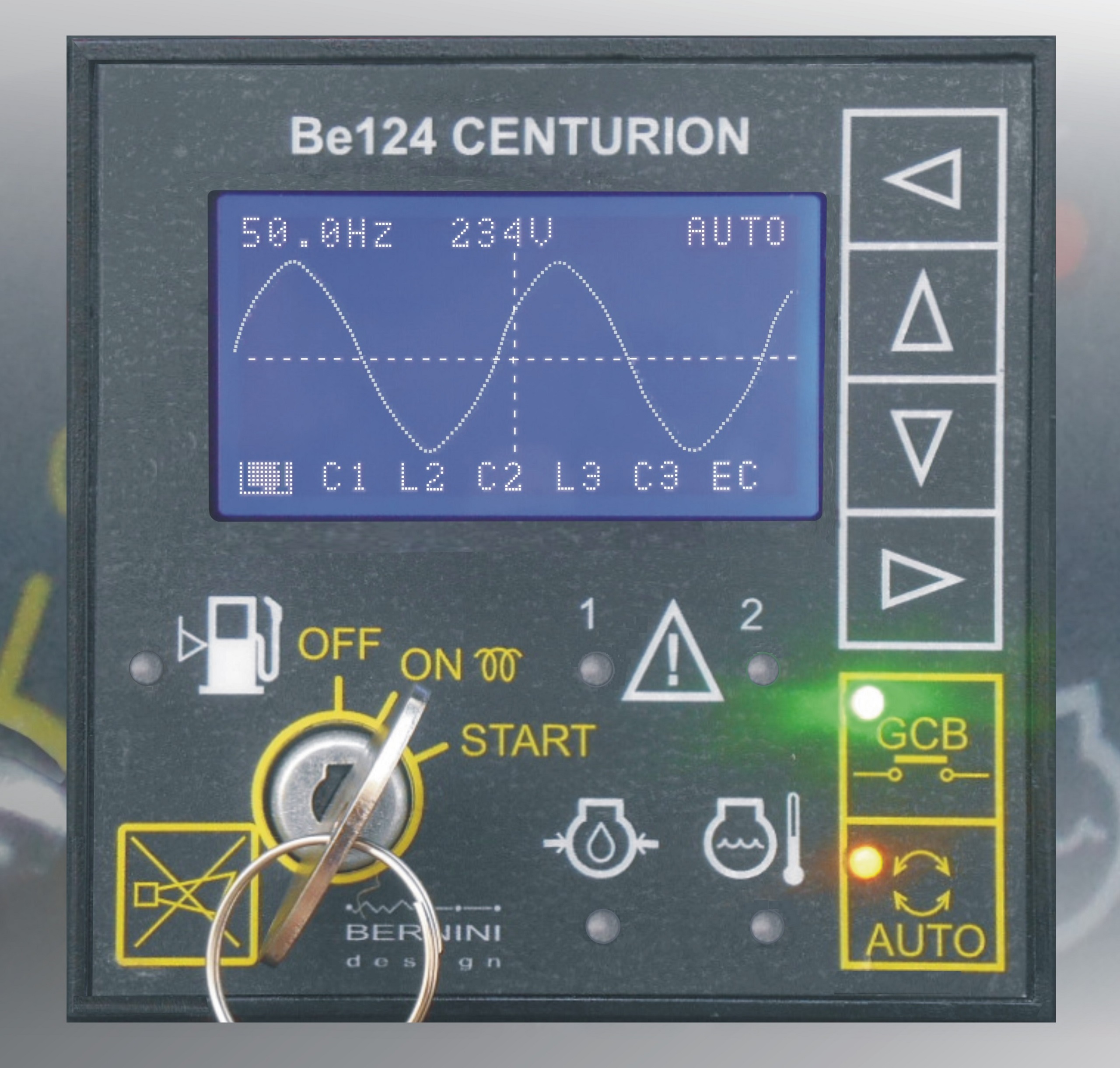
The main task is providing a user-friendly interface. Other tasks may include automatic functions and protection tasks. There are several kinds of generator control panels that generate confusion, especially for people with no technical background. This page is going to clarify all aspects. By looking at the examples, you will clearly understand what exactly you are looking for.
MAIN TOPICS
The purpose of this web page is to answer the basic FAQ about generator control panels in general:
Generator control panel PDF
Generator Control Panel Price
Diesel generator control panel components
Generator control panel diagram
Diesel generator control panel wiring diagram explained
Diesel generator control panel wiring diagram PDF
ON CHASSIS GENERATOR CONTROL PANEL
ATS GENERATOR CONTROL PANEL
AMF GENERATOR CONTROL PANEL
It consists of a wall-mounted metal enclosure measuring between 500x400x250mm and 900x400x250mm. Its primary purpose is to connect your electrical system to the mains or to the generator, hereinafter referred to simply as the "generator." A generator panel never allows for a direct connection between the generator and the mains. The only exception is generator panels for parallel operation. However, in this case, they are referred to as "genset parallel panels."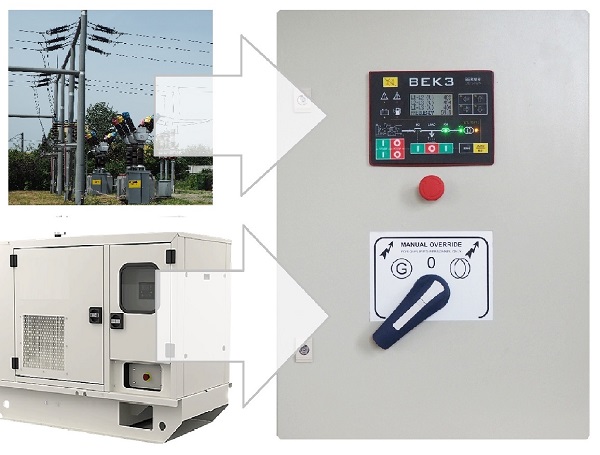
The generator control panel weighs between 5kg and 35kg. It is usually solidly fixed to the wall. The generator control panel door is positioned at eye level, with its centre approximately 170cm from the floor. Most generator control panels have power ratings between 6kW and 200kW. For higher power ratings, only ATS panels are used, which stand for automatic transfer switches, which are different from standard generator panels, normally called AMF panels. On the front of a generator panel is the AMF (Automatic Mains Failure) or ATS /Automatic Transfer Switch) controller, which is the electronic component that manages the all panel operation. The AMF or ATS controllers have basic settings suitable for most applications.
However, a qualified person can modify the programming to adapt the generator panel's operation to specific applications. Small generator panels up to 9 kW can have a single-phase or three-phase configuration. Larger generator panels are exclusively three-phase with a neutral connection. A qualified electrician must appropriately balance the single-phase connections to optimise the use of the generator's phases.
How a generator control panel actually works
The guiding principle is to maintain power continuity during a power outage. However, this continuity is not comparable to that of a UPS. In this case, there is no loss of voltage during a power outage. With a generator control panel, in the event of a blackout, there is actually a voltage loss in the electrical system. However, after a programmable time, the power is restored by the generator. For large-power generators, this "dead" time could even be several minutes.

The engine requires a warm-up period. During this time, the generator has time to stabilise the electrical parameters of frequency and voltage. It would be like expecting a car to immediately reach 130 km/h starting from a cold engine. In some critical cases, the engine temperature is maintained at a constant 60 degrees Celsius using suitable electric heaters. Obviously, this represents a huge energy expense. In most applications, this brief blackout is tolerated to allow the engine to warm up. For small generators, the minimum start-up time is 15 seconds. The generator panel monitors the electrical parameters of the generator and the load. In the event of anomalies, it promptly interrupts the power supply or interrupts it with programmable delays. To restore power, the problem must be resolved. When the mains power returns, the generator panel interrupts the power to the electrical system for two seconds before reconnecting the mains power. This pause is essential to prevent overcurrents due to the presence of highly inductive or capacitive loads in the electrical system.
The Generator Control Panel Modes Of Operation
To ensure flexibility in generator use, the AMF or ATS controllers offer AUTOMATIC, MANUAL, and TEST operating modes. In AUTOMATIC mode, the generator control panel performs all functions automatically. The AUTOMATIC mode also allows for remote control management, programmed weekly tests, or forced shutdown during certain hours of the day. In MANUAL mode, the user can manually manage engine starting and electrical system switching the mains to the generator and vice versa. This is therefore a method for testing or satisfying conditions that cannot be met in automatic mode. TEST mode is a non-invasive simulation method that allows testing automatic engine starting. This is very useful for checking the efficiency of the engine's starter batteries.
AMF and ATS Generator Control Panels
Despite the similarity in functionality, the AMF panels and ATS panels present a totally different way of switching the LOAD from MAINS to GENERATOR and vice versa. To dive deeply into the technology, visit the following web page